




Now Reading: Is Hustle Culture Dying? The Future of Work and Productivity
-
01
Is Hustle Culture Dying? The Future of Work and Productivity
Is Hustle Culture Dying? The Future of Work and Productivity

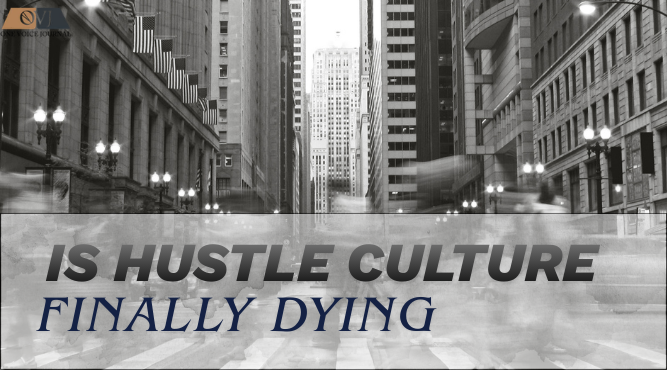
Yes, hustle culture is slowly fading but it isn’t completely disappearing. Instead, it is evolving into a healthier approach to work where productivity, ambition, and career growth are balanced with wellbeing and work-life balance. Many professionals today are rejecting the “work 24/7” mindset and choosing sustainable success over burnout.
For years, hustle culture promoted the idea that constant work, long hours, and endless side hustles were the only ways to achieve success. But rising burnout, changing workplace values, and new workforce expectations especially among Millennials and Gen Z ,are transforming how people define productivity and success.
In this article, we’ll explore whether hustle culture is truly dying, why attitudes toward work are changing, and what the future of modern work culture looks like.
What Is Hustle Culture?
Hustle culture refers to a mindset that glorifies working long hours, sacrificing personal time, and constantly striving for productivity in order to achieve professional success.
The philosophy behind hustle culture often includes ideas like:
- “Sleep when you’re dead.”
- “Work harder than everyone else.”
- “Success requires constant grinding.”
For many years, entrepreneurs, startups, and social media influencers promoted hustle culture as the ultimate path to financial freedom and career growth.
However, this relentless focus on productivity has also led to widespread stress and burnout.
You can read more about the impact of work stress on productivity and wellbeing from the American Psychological Association:
https://www.apa.org
Why Hustle Culture Became Popular
Before discussing its decline, it’s important to understand why hustle culture became so dominant.
- The Rise of Startup Culture
Silicon Valley startups popularized the idea that success requires relentless dedication. Entrepreneurs often shared stories of working 80 –100 hour weeks to build billion-dollar companies.These stories inspired a generation of professionals to believe that constant hustle was the only path to success.
- Social Media and “Productivity Influencers”
Platforms like Instagram, LinkedIn, and YouTube amplified hustle culture by promoting motivational content focused on productivity, discipline, and nonstop work.
People were constantly exposed to messages about:
- waking up at 5 AM
- working multiple side hustles
- maximizing every hour of the day
Over time, this created pressure to always stay productive.
- The Competitive Job Market
With increasing global competition, many professionals believed that working harder than everyone else was necessary to stand out in their careers.
This mindset pushed employees to adopt a hustle-driven work ethic
Why Hustle Culture Is Losing Popularity
In recent years, several major factors have contributed to the decline of hustle culture.
- Rising Burnout and Mental Health Awareness
One of the biggest criticisms of hustle culture is its impact on mental health.
Constant work without rest often leads to:
- burnout
- stress and anxiety
- reduced productivity
- poor work-life balance
Many employees are now prioritizing mental health and wellbeing over extreme productivity.
Organizations such as the World Health Organization have even recognized burnout as a workplace phenomenon .
- The Shift Toward Work-Life Balance
Today, work-life balance is becoming a top priority for many professionals.
Instead of focusing solely on career success, people are seeking:
- flexible work schedules
- remote work opportunities
- meaningful careers
- time for family and personal interests
Companies are also responding to these demands by offering hybrid work models and wellness programs
- Gen Z and Millennials Are Changing Workplace Values
Younger generations are significantly reshaping work culture.
Unlike previous generations, many Gen Z and Millennial professionals value:
- purpose-driven work
- personal growth
- healthy boundaries
- job satisfaction over long hours
This shift is influencing organizations to rethink traditional productivity models.
Is Hustle Culture Really Dead?
While hustle culture is declining, it isn’t completely disappearing.
Instead, it is evolving into a more balanced concept sometimes referred to as “sustainable ambition.”
This modern mindset encourages professionals to:
- work efficiently instead of endlessly
- prioritize quality over quantity
- maintain boundaries between work and personal life
- focus on long-term productivity rather than short-term intensity
In other words, success no longer requires constant exhaustion.
The Rise of “Soft Productivity”
A new trend called soft productivity is emerging in response to hustle culture.
Soft productivity focuses on achieving goals while maintaining mental wellbeing.
Key principles of soft productivity include:
- realistic work schedules
- intentional rest and recovery
- focusing on meaningful tasks
- avoiding toxic productivity
This approach promotes a healthier relationship with work and productivity
How Companies Are Responding
Organizations are also adapting to the changing work culture.
Many companies now prioritize:
Flexible Work Models
Remote work and hybrid workplaces allow employees to balance productivity with personal life.
Employee Wellbeing Programs
Businesses are investing in mental health support, wellness initiatives, and stress management programs.
Results-Oriented Work
Instead of measuring productivity based on hours worked, many organizations now focus on outcomes and performance.
These changes indicate a shift away from traditional hustle culture.
The Benefits of Moving Beyond Hustle Culture
The decline of hustle culture offers several benefits for both individuals and organizations.
Improved Mental Health
Balanced work habits reduce stress and burnout.
Higher Productivity
Research shows that well-rested employees often perform better than overworked ones.
Better Work-Life Balance
Professionals can pursue career goals without sacrificing personal wellbeing.
Stronger Workplace Culture
Healthy work environments improve employee engagement and job satisfaction.
Ultimately, sustainable productivity benefits everyone.
What the Future of Work Looks Like
The future of work is likely to combine ambition with balance.
Professionals will continue striving for career growth, but they will also prioritize:
- personal wellbeing
- meaningful work
- flexible lifestyles
- long-term career sustainability
Rather than eliminating ambition, modern work culture is redefining what success looks like.
Success is no longer about working the most hours ,it’s about creating a fulfilling career and life.
Final Thoughts
So, is hustle culture finally dying?
The answer is partially yes. The extreme version of hustle culture , where constant work and exhaustion are glorified, is losing popularity.
However, ambition and productivity are still important. The difference is that today’s professionals are redefining success by prioritizing balance, mental health, and sustainable growth.
The future of work is not about abandoning ambition , it’s about working smarter, not harder.
If you’re interested in topics like productivity, career development, and modern workplace trends, explore our other blogs to continue learning about how work culture is evolving.
(FAQs)
1. What is hustle culture?
Hustle culture is a mindset that glorifies working long hours and constantly striving for productivity in order to achieve career success.
2. Why are people rejecting hustle culture?
Many people are rejecting hustle culture due to burnout, mental health concerns, and the growing importance of work-life balance.
3. Is hustle culture completely disappearing?
No, hustle culture is evolving rather than disappearing. Many professionals now focus on sustainable productivity instead of constant work.
4. What is soft productivity?
Soft productivity is a work philosophy that encourages achieving goals while maintaining mental wellbeing and healthy work habits.
5. How can professionals succeed without hustle culture?
Professionals can succeed by focusing on strategic work, time management, continuous learning, and maintaining a healthy balance between work and personal life.
Stay Informed With the Latest & Most Important News
Previous Post
Next Post



Advertisement

-
 01Is GTA 6 a Scam? The Truth Behind the Rumors
 -
 02Life Is Like Football: Strategy, Teamwork, and Patience
 -
 03Why Everyone Is Talking About the Next Big Open-World Game
 -
 04Sports Teach Us the True Meaning of Leadership
 -
 05How to Create a Balanced Life in a Busy World
 -
 06Why Listening Is the Most Underrated Leadership Skill
 -
 07Is Social Media Running Out of New Ideas?